巴西容迪亚伊/德国斯图加特,2025年5月22日
马勒巴西的全球生物燃料出行技术中心首年交出满意答卷

- 行业与科研的可靠合作伙伴
- 立足南美,建立生物燃料与生物材料知识与合作网络,支持全球可持续出行发展
- 已建立八个客户和研究机构合作项目
- 开启全球知识共享
- 马勒CEO Arnd Franz:“我们应在全球范围内迅速扩大可持续燃料的应用规模,从而延缓全球变暖进程。”
- 马勒坚定奉行技术多元化路线
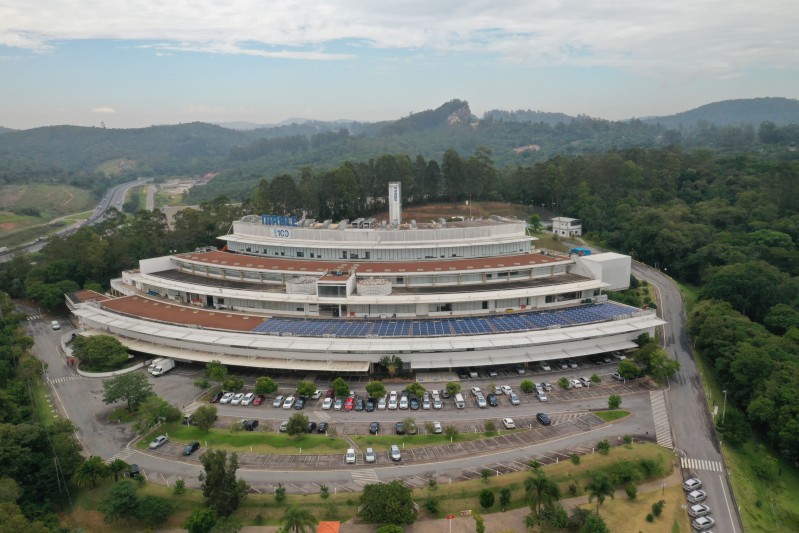
MAHLE is celebrating the first anniversary of its Global Biomobility Center, located at its Tech Center in Jundiaí (São Paulo), Brazil. Recognizing the importance of biofuels and biomaterial for future mobility, MAHLE had launched the initiative to use its knowledge and partner network in South America to support development worldwide. In its first year, the center initiated eight development projects in partnership with customers and research institutes. In addition, the Global Biomobility Center has taken up the role of monitoring trends and government actions regarding the adoption of biofuels globally, starting knowledge transfer to North America and Asia. “Sustainable fuels need to be scaled up rapidly and globally to slow global warming,” said Arnd Franz, Chairman of the Group Management Board and CEO of MAHLE. The group strongly believes in technological diversity, using all the levers available to achieve rapid, effective decarbonization of the mobility sector.
“MAHLE is strongly promoting an increase in biofuel blending to match the shares reached in Brazil or India across the world. By 2030, more than 20 percent of global fuel consumption must come from renewable resources to meet zero emission targets. The MAHLE Biomobility Center is working with governments, regulators and industry players in India, Thailand, Japan and other countries to reach this goal,” said Arnd Franz.
“The Global Biomobility Center was created with the mission of being MAHLE’s global competence center in Research & Development (R&D) for the development and application of biofuels and biomaterials, enabling their use on a larger scale throughout the world, supporting global decarbonization,” said Everton Lopes, Head of the MAHLE Technology Center in Brazil and responsible for the Global Biomobility Center.
Along with electrification and thermal management, highly efficient and sustainable internal combustion engines are a key MAHLE strategy field. Operated with renewable fuels such as hydrogen, synthetic fuels or biofuels, internal combustion engines have the potential to make a significant contribution to climate protection.
During this first year, projects on various topics have been started at the group’s Global Biomobility Center. The project range includes for example the development of a cellulosic filter medium and activated carbon from biomass, the development of an Ethanol Power Cell Unit (PCU) aiming to increase the efficiency of flex-fuel engines using ethanol as well as the development of a multifuel medium duty engine running on biomethane and ethanol. Also, the impact of using advanced biodiesel on the performance, durability, and emissions of heavy duty engines has been assessed.
Among these projects, 50 percent are developed in partnership with Brazilian research institutes and funded by government programs such as MOVER (Green Mobility and Innovation Program), Embrapii (Brazilian Agency for Research and Industrial Innovation), and FAPEMIG (Minas Gerais State Agency for Research and Development). Projects are being developed directly in partnership with OEMs, automotive suppliers and companies in the energy sector. Apart from developing sustainable technologies, the Global Biomobility Center initiates technical dialogs at the international level.
Biofuels are at the heart of Brazil’s decarbonization strategy. The country is a global pioneer in biofuel production and deployment, successfully combining mandates, financial incentives, and sustainability requirements to expand the supply of biofuels. Along with biofuels, biomaterials (or renewable materials) have considerable potential for replacing fossil products and reducing the carbon footprint of automotive parts.
马勒集团企业传播联系人