Johannesburg, June 3, 2026
MAHLE advocates technological diversity for Africa’s automotive transition

- Africa’s vehicle market requires a practical mix of technologies rather than a single route to lower-emission mobility
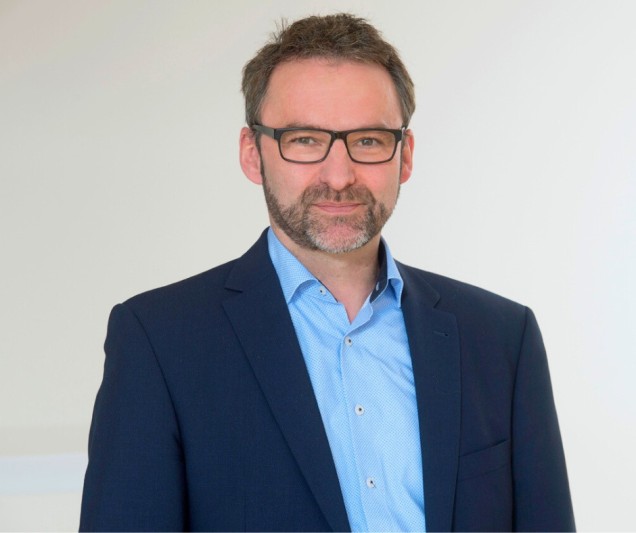
- Juergen Wolf, Managing Director MAHLE South Africa: “Africa’s automotive future will not be a copy-and-paste version of Europe or China.”
- MAHLE 2030+ is focused on electrification, thermal management and components for clean, efficient internal combustion engines
- MAHLE in South Africa supports passenger vehicle, commercial vehicle, original equipment, original equipment service and aftermarket sectors
Africa’s automotive future cannot be defined by one drivetrain, one policy model or one global template. As infrastructure, affordability, regulation and operating conditions differ widely across the continent, MAHLE believes the transition to cleaner mobility will have to be led by technological diversity: electric, hybrid, hydrogen, sustainable fuel and efficient internal combustion technologies working alongside each other according to market need. “Africa’s automotive future will not be a copy-and-paste version of Europe or China,” said Juergen Wolf, Managing Director of MAHLE in South Africa. Through its MAHLE 2030+ strategy, the technology group is focused on electrification, thermal management and components for clean, efficient internal combustion engines, while its South African operations continue to support passenger vehicle, commercial vehicle, original equipment and aftermarket customers through local manufacturing, engineering capability and export production.
While some global markets are rapidly adopting battery-electric vehicles, African markets must also consider infrastructure readiness, affordability, energy supply, vehicle utilisation patterns and the need to maintain industrial competitiveness. “Electrification is part of the future, but so are hybrid technologies, hydrogen, sustainable fuels and more efficient internal combustion engines. A technology-neutral approach allows the industry to move forward without leaving markets, customers or industrial capability behind,” said Juergen Wolf.
For MAHLE, thermal management remains one of the most important enablers of future mobility. In conventional powertrains, thermal systems support efficiency, reliability and emissions performance. In hybrid and electric vehicles, thermal management directly influences battery performance, charging behaviour, driving range, cabin comfort and component durability. This capability is particularly relevant in African operating conditions, where vehicle uptime, durability, serviceability and total cost of ownership remain important considerations for passenger vehicle and commercial vehicle operators alike.
“Technology only matters if it works in the market where it is being applied,” said Wolf. “For South Africa and the wider African continent, the priority is to support cleaner, more efficient and more affordable mobility while protecting industrial capability, jobs, skills and supply chains. We must prepare for new energy vehicles, but we also have to remain honest about the vehicles on our roads today and the technologies that will still be needed for many years.”
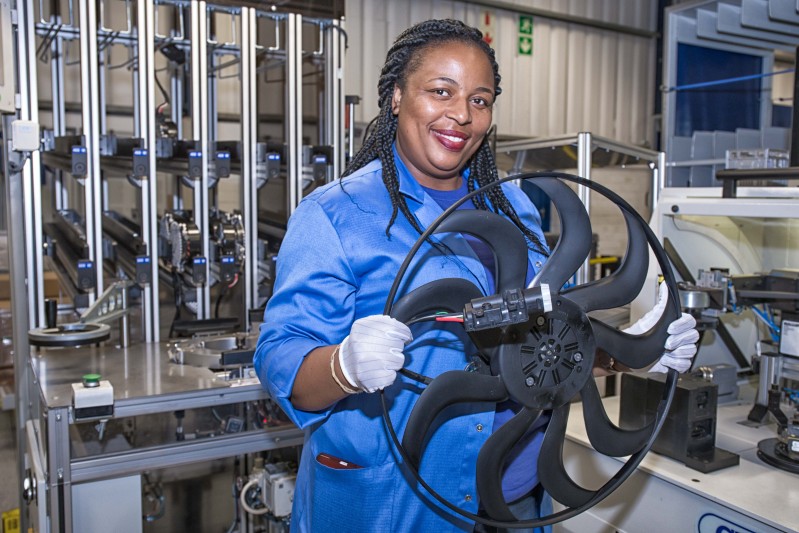
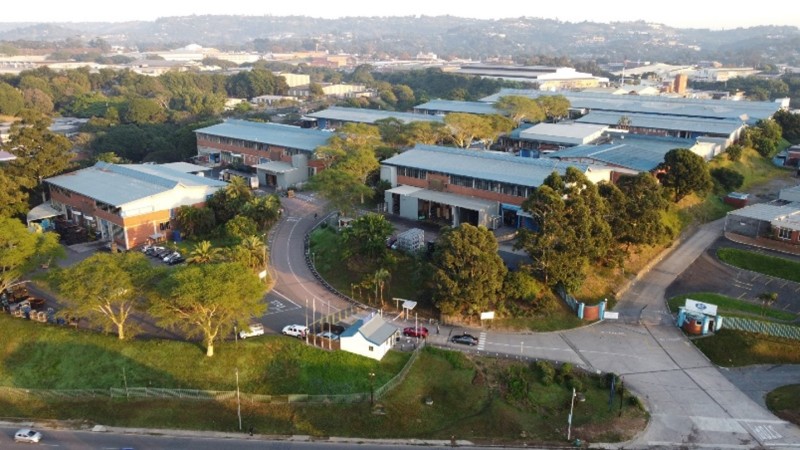
Having entered the market in1982, MAHLE today employs 646 full-time employees across its operations in Durban and Gqeberha. Durban focuses on heat exchangers and related thermal management components, while Gqeberha specialises in Heating Ventilation Air Conditioning (HVAC) and air cleaner assembly. Together, the facilities support local vehicle manufacturers, original equipment service customers, the independent aftermarket and export markets across the African continent.
The South African operations manufacture injection moulding parts, stamping parts and welded aluminium tubes, as well as Nocolok-brazed and mechanical joint radiators, direct charge air coolers, heater cores, evaporators, HVAC systems and engine cooling modules. Oil coolers, condensers and selected thermal products are imported and supplied into the local market. A key local capability is welded tube technology used in radiators, heater cores, direct charge air coolers and indirect charge air coolers. The Durban operation exports approximately 120 million aluminium tubes annually, supporting global thermal management applications.
“South Africa has to stay in the global automotive conversation,” said Wolf. “That means understanding where the world is going but also being clear about where our market is today. The opportunity lies in building an automotive future that is cleaner, more efficient and more competitive, while remaining grounded in the realities of our region.”
Note for editors: This press release and the accompanying photo material can be found at https://newsroom.mahle.com/press/en/.
Image copyright: MAHLE GmbH
Jolene van Heerden
Head of Communications South Africa
Phone: +27 31 719 7718
E-mail: Contact by email
Take Note Reputation Management
Media liaison: Dionne Collett
Phone: +27 82 037 8025
E-mail: Contact by email
Contact persons for MAHLE communications